
 Search
 Get started
 03 9730 1128
 Account
 Cart
Cart


10 Minute(s) read
Good buffalo lawn care comes down to giving your grass the right balance of water, sunlight, nutrients and regular maintenance. Get that routine right, and buffalo grass can produce a soft, dense and resilient lawn suited to many Victorian homes.
In this guide, we cover how to establish and maintain a buffalo grass lawn throughout the seasons. You’ll learn when to mow, water and fertilise, plus how to handle weeds, pests, shade, drought and thin areas.
We’ll also share practical care tips for Sir Walter DNA Certified Buffalo, Lilydale Instant Lawn’s Victorian-grown buffalo variety.
Establishing a new buffalo lawn
A healthy buffalo lawn starts with good preparation and careful installation. Before laying new turf, prepare the soil by removing weeds, debris and any existing grass. Level the area and address drainage problems before installation.
Once laid, your buffalo turf needs consistent moisture while its root system establishes in the soil. Avoid heavy foot traffic during this early establishment period, and check the lawn regularly for signs of drying out. On hot days, it is recommended to water the lawn multiple times a day.
Good preparation gives buffalo grass the best chance to develop dense growth and long-term resilience.
Best time to grow buffalo lawn
Buffalo turf can be installed throughout the year in Victoria, although the time it takes to establish will vary with seasonal conditions. Spring and the warmer months generally support faster root growth, while cooler temperatures can mean the lawn takes a little longer to establish. As the Bureau of Meteorology explains, Australia’s four seasons bring changes in temperature and daylight that influence how actively warm-season grasses, such as buffalo, grow.
|
Season |
Is it a good time to establish buffalo turf? |
What to expect |
|
Spring |
Great conditions |
Warmer soil encourages active growth and helps the root system establish before summer. |
|
Summer |
Great, with regular watering |
Buffalo grows actively during summer, with consistent watering helping newly laid turf establish during warmer weather. |
|
Autumn |
Suitable in early autumn |
Buffalo turf can establish well during autumn while the soil retains warmth, although growth may gradually slow as temperatures cool. |
|
Winter |
Suitable, with extra time required |
Buffalo turf can still be laid during winter. Growth naturally slows in cooler conditions, so it may simply take longer for the lawn to fully establish. |
Buffalo turf can therefore be installed year-round in Victoria when the lawn is properly prepared and cared for. The main difference between seasons is how quickly the turf establishes, with warmer conditions generally encouraging faster growth.
Growing conditions for buffalo grass
Buffalo grass is a hardy and adaptable turf variety, but the right growing conditions will help it thrive. A healthy lawn needs suitable soil, adequate sunlight, good drainage and consistent care.
One reason buffalo is a popular choice for Australian homes is its shade tolerance. Sir Walter DNA Certified Buffalo, for example, is suited to areas where other warm-season grasses may struggle with reduced sunlight. Lilydale also identifies Sir Walter as drought-tolerant and shade-resistant.
Good soil is equally important. The root zone should allow water, nutrients, and oxygen to reach the developing root system without leaving it waterlogged.
Buffalo spreads through above-ground runners, helping established turf grow densely and recover from minor wear. Give your lawn suitable conditions from the beginning, and its natural resilience can make ongoing maintenance easier.
Buffalo grass maintenance tips

Once your buffalo turf is established, a consistent lawn care routine will help maintain its colour, density and overall health. The main jobs are mowing, watering, fertilising and managing soil conditions throughout the year.
How often you complete each task will depend on the season, weather and how quickly your lawn is growing. Rather than following a rigid calendar, check how your buffalo grass looks and adjust your maintenance schedule accordingly.
Mowing buffalo grass
Regular mowing helps buffalo grass maintain dense, healthy growth. As a general guide, aim for a mowing height of around 30–50 mm, while lawns growing in shaded areas can benefit from being kept slightly longer.
Avoid removing more than one-third of the grass blade in a single mow. Cutting too short can place unnecessary stress on the lawn and reduce the leaf area available for healthy growth.
How often you mow will depend on the season. Buffalo grass grows faster during warmer conditions, so mowing may be more frequent through spring and summer. Growth slows during the cooler months, making mowing more infrequent.
Keep mower blades sharp to produce a clean cut rather than tearing the leaf. A clean cut helps the lawn maintain its appearance and can reduce unnecessary stress.
Watering buffalo grass
Once established, buffalo grass generally benefits from deeper, less frequent watering rather than frequent light watering. This encourages moisture to move further into the soil and supports a deeper root system.
Sprinklers and irrigation systems are generally the best way to water buffalo grass, as they provide more consistent, even coverage across the lawn. A well-planned irrigation system can also make it easier to control how much water your lawn receives.
There is no single watering schedule that suits every buffalo lawn. How often you need to water depends on rainfall, temperature, soil type, sunlight and the condition of the grass.
Check your lawn before watering. If the leaves begin to lose colour or show signs of moisture stress, it may be time to water. During hot, dry conditions, your lawn may require additional moisture.
Where possible, water early in the morning. This allows moisture to reach the soil before the heat of the day while limiting prolonged surface moisture overnight.
Fertilising buffalo grass
A suitable fertiliser provides nutrients that support buffalo grass colour, growth and overall health. Fertilising buffalo grass during periods of active growth can help maintain a dense, lush lawn and support recovery from everyday wear.
Choose a fertiliser suitable for buffalo grass and apply it at the manufacturer's recommended rates. Applying more fertiliser than recommended will not necessarily improve results and can damage your lawn.
Nitrogen is an important nutrient for leaf growth and colour, but lawn nutrition is about balance. A fertiliser formulated for turf can provide a suitable mix of nutrients rather than relying on nitrogen alone.
Watering requirements can vary between fertiliser products, so always follow the product directions after application.
Aerating and topdressing
Over time, compacted soil can restrict the movement of water, air and nutrients around your buffalo lawn’s root system. Aerating the soil can relieve compaction and create better conditions for healthy root growth.
Focus on areas that receive regular foot traffic or where water struggles to penetrate the soil. Aeration is best performed while buffalo grass is actively growing, giving the lawn time to recover.
Topdressing can also help improve an uneven lawn surface and support the soil profile. Apply a suitable topdressing material in a light, even layer, making sure the buffalo grass blades remain visible.
Avoid covering the lawn too heavily when you dress it. Buffalo needs access to sunlight so its runners and leaves can continue growing through the topdressing material.
How to look after buffalo grass in different conditions
Buffalo grass is robust and adaptable, but its lawn care requirements change with growing conditions. Adjusting your routine can help maintain your lawn's health, appearance, and resilience when it faces additional stress.
|
Condition |
How to care for buffalo grass |
|
Hot and dry weather |
Water deeply when required and avoid mowing too short. Watch for signs of moisture stress during extended dry periods. |
|
Shaded areas |
Maintain a slightly higher mowing height and avoid overwatering. Buffalo has good shade tolerance, but adequate sunlight is still important for healthy growth. |
|
Heavy foot traffic |
Avoid excessive traffic when the lawn is stressed or waterlogged. Aerating compacted areas can support the soil and root system. |
|
Cooler conditions |
Reduce mowing as growth slows and adjust watering to rainfall and soil moisture. Avoid treating a slower-growing winter lawn like actively growing summer turf. |
|
Pet use |
Regularly check high-use areas for wear or damage. Prompt care can help prevent small stressed areas from developing into larger bare patches. |
The key is to look at your lawn rather than follow the same maintenance schedule all year. Soil moisture, growth rate, sunlight and weather provide better clues about what your buffalo grass needs.
What steps should you take to ensure buffalo grass stays healthy?
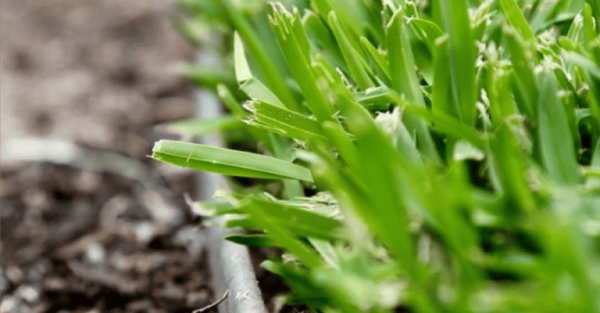
Regular maintenance can help prevent many buffalo lawn problems, but weeds, pests and thinning can still occur. Acting early gives your lawn the best opportunity to recover and maintain healthy, dense growth.
Check your lawn regularly for changes in colour, growth and texture. If something looks unusual, identify the cause before applying a treatment.
Weed control
Dense, healthy buffalo grass can help limit the space available for weeds, but unwanted plants can still appear. Remove isolated weeds early, where practical, before they spread or plant seeds across the lawn.
For larger infestations, you may need a selective herbicide specifically labelled for buffalo grass. Always identify the weed first and follow the product label, including application rates and safety directions.
Take particular care when dealing with invasive grasses such as couch, as controlling another grass within buffalo can be more difficult than treating broadleaf weeds. Avoid applying a herbicide unless the label confirms it is suitable for both the target weed and your buffalo variety.
If you are unsure what is growing in your lawn, seek expert advice on weed control before treatment.
Pest management
Changes in colour, thinning turf, or damaged leaves do not automatically mean your buffalo lawn has a pest problem. Similar symptoms can result from watering, nutrition, soil or fungal issues, so identify the cause before treating the lawn.
If you notice unusual damage, inspect the affected area and look for signs of pest activity. Correct identification helps avoid unnecessary treatments and makes it easier to choose an appropriate control method.
A healthy, well-maintained lawn can be more resistant to everyday stress, but it is not immune to pests or disease.
Repairing thin or patchy buffalo lawn
Thin or patchy areas can develop after heavy traffic, pest damage, poor growing conditions or other lawn stress. Before repairing the area, identify and address the underlying cause so the same problem does not return.
Buffalo grass spreads laterally through runners, so small damaged areas may gradually fill when the surrounding turf is healthy and actively growing. Keep traffic away from recovering sections and maintain suitable watering, mowing and nutrition.
For larger bare areas, replacing the damaged section with matching buffalo turf may provide a more reliable repair. Avoid re-seeding buffalo with an unrelated grass variety, as this can create noticeable differences in colour, growth, and texture.
Achieve a thriving buffalo lawn with Lilydale Instant Lawn
Good buffalo lawn care is about consistency. The right mowing, watering, fertilising and seasonal maintenance can help your lawn stay healthy and looking its best throughout the year.
If you’re considering a new buffalo lawn, Sir Walter DNA Certified Buffalo is a proven option for Victorian conditions. It offers a soft feel, good shade tolerance and drought tolerance, making it a popular choice for Australian homes. Lilydale Instant Lawn grows Sir Walter locally in Victoria and provides lifetime lawn care advice to help every lawn owner get more from their turf.
Explore Sir Walter DNA Certified Buffalo or contact the Lilydale Instant Lawn team for expert advice on choosing and caring for your lawn.